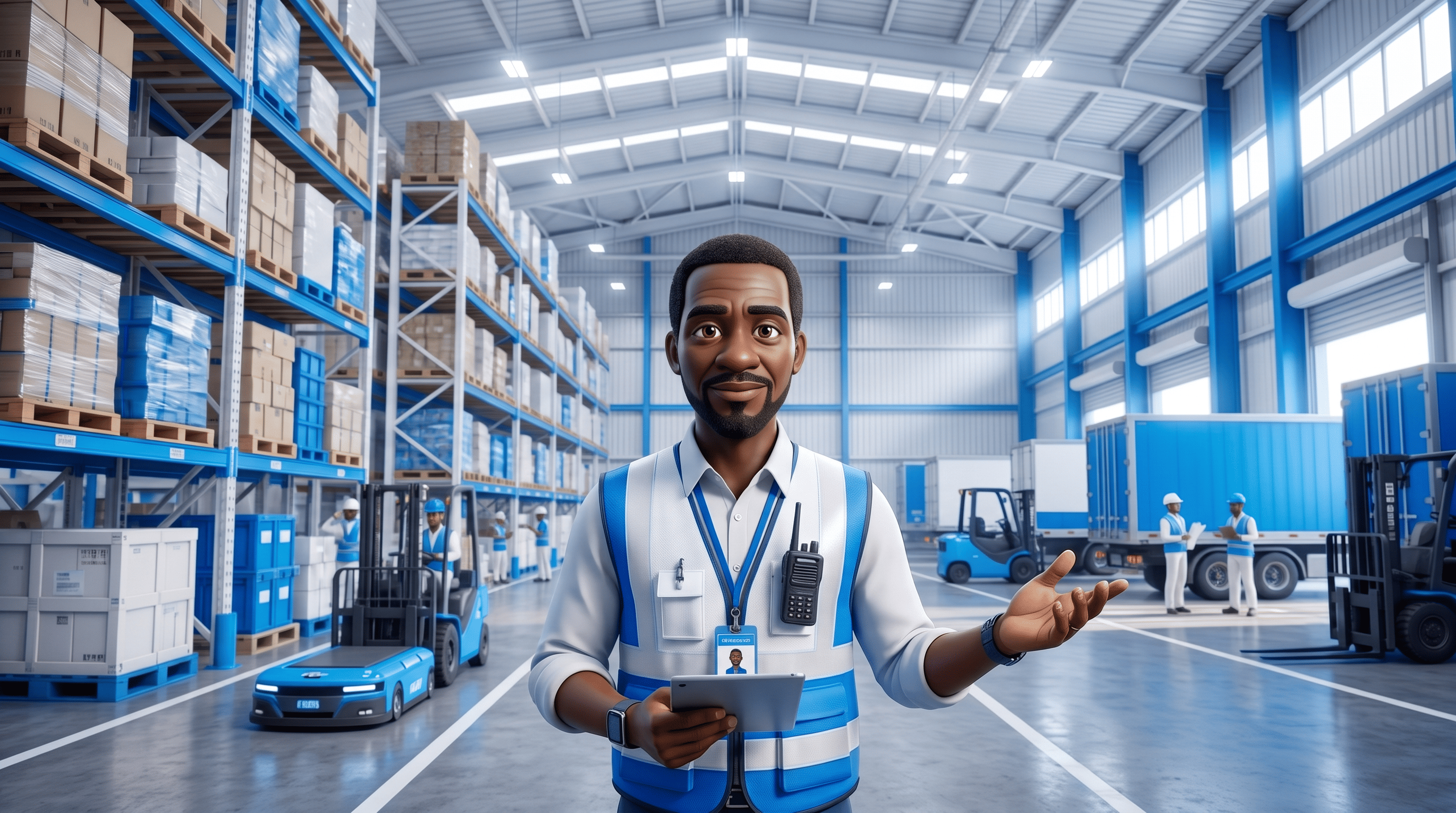


Getting more customers should make your business grow, not leave you spending the entire day answering messages.
More attention brings more opportunities, but managing every sale through direct messages can quickly become overwhelming.
When More Customers Become a Problem
Imagine this.
Chioma owns a fashion boutique in Lagos. She has spent months building her Instagram page, posting beautiful pictures of dresses, creating reels and engaging with potential customers.
Then, one Monday morning, one of her videos takes off.
Her notifications won't stop.
"How much is this dress?"
"Do you have size 12?"
"Is the green one available?"
"How do I order?"
At first, Chioma is excited. This is exactly what she has been working towards.
But by evening, she is exhausted. She has spent hours responding to messages, checking stock, sending account details and confirming payments.
Some customers have stopped responding. Others are still waiting for replies. A few may have already bought from another seller.
Her Instagram page is getting attention, but her business is struggling to keep up.
This is the hidden problem with growing an Instagram store: the more customers you attract, the more work your inbox creates.
And if every sale depends on someone manually answering messages, growth eventually becomes difficult to manage.
The problem isn't necessarily a lack of demand. It's the system behind the sales.
The Hidden Cost of Selling Through DMs
For many Nigerian online businesses, Instagram has become more than a marketing platform. It is also the catalogue, customer service desk, order form and sometimes even the payment counter.
A customer discovers a product, sends a DM, asks for the price, confirms the size, requests payment details and waits for the seller to verify the transfer.
One transaction can involve several messages before a purchase is completed.
Now imagine handling 50, 100 or 200 of those conversations in a single day.
The seller is no longer spending most of their time running the business. They are managing conversations.
This is where four important changes can make a difference.
1. Customers Want to Know the Price Before They Start a Conversation
Think about your own shopping habits.
When you see something you like online, you probably want to know how much it costs before deciding whether to buy it.
Your customers feel the same way.
Yet many Instagram sellers still use captions such as "DM for price" because they believe hiding prices encourages engagement.
But engagement does not always translate into sales.
A customer who has to send a message, wait for a response and ask additional questions may simply move on to another seller.
The solution is straightforward: display product prices, available colours and sizes clearly.
This gives customers the information they need to make a buying decision without starting a conversation.
For sellers, it also reduces repetitive questions and leaves more time for customers who genuinely need assistance.
The lesson: Make buying easier before asking customers to send you a message.
2. Social Media Attention Is Valuable, but Customers Have Other Options
A customer sees a beautiful dress in your Instagram reel.
They like it. They want it. They are ready to buy.
But they cannot complete the purchase immediately because they need to send a DM and wait for someone to respond.
That small delay can become a lost sale.
Social media users often discover products while scrolling casually. Their interest may be strongest at the moment they see the product.
If the buying process is complicated, that interest can disappear.
This is why successful online selling requires more than attractive content.
Your Instagram page should lead customers somewhere they can actually shop.
Instead of directing every customer to a conversation, provide a dedicated online storefront where they can:
Browse available products.
View prices and product details.
Select their preferred sizes and colours.
Add items to their cart.
Complete their orders.
A customer should not need to wait for you to wake up, return from work or finish responding to another buyer before making a purchase.
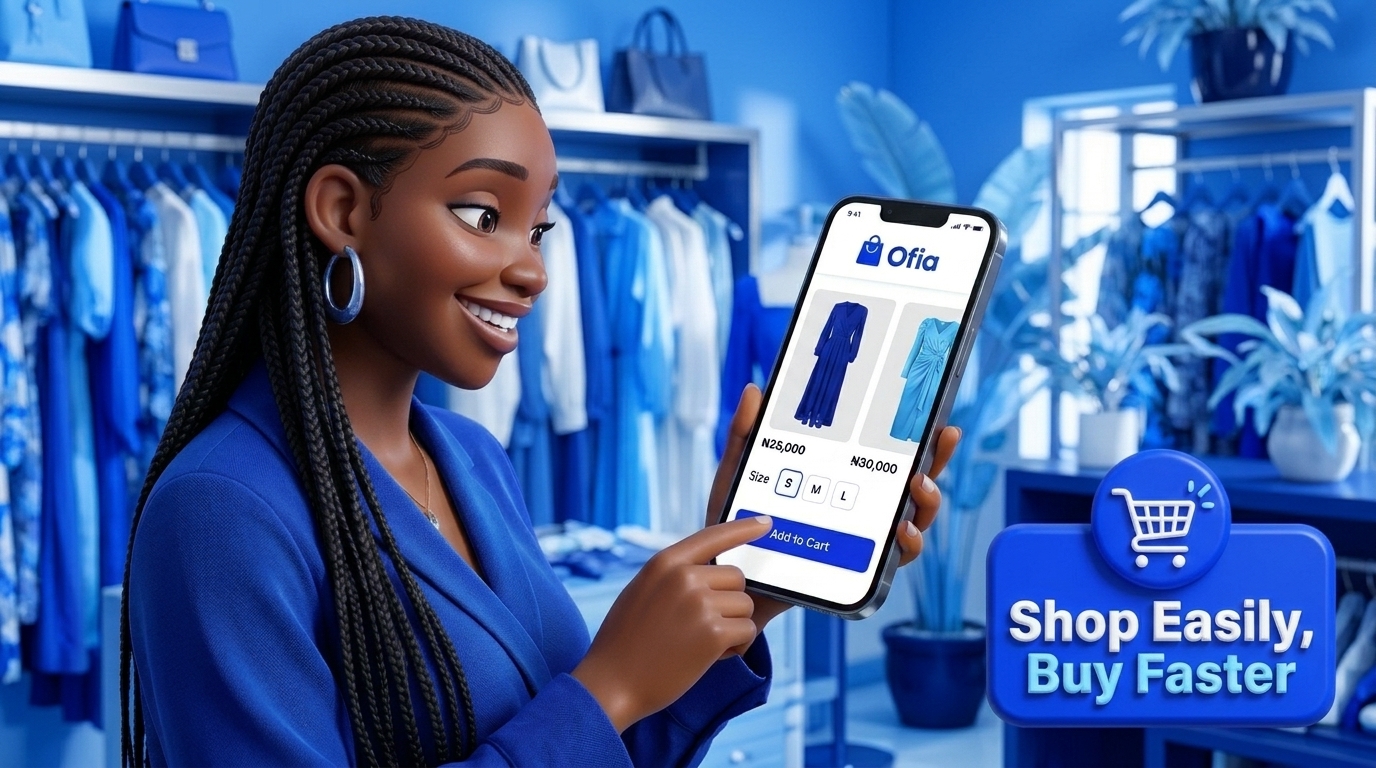
Give customers a convenient way to browse products, compare options and shop without waiting for a DM response.
The lesson: Your social media page should attract customers, but your storefront should make purchasing convenient.
3. More Orders Mean Nothing if You Cannot Manage Your Inventory
Now imagine Chioma's business has finally improved.
Customers can purchase directly from her online store, and orders are coming in.
But there is another problem.
She has only three medium-sized green dresses left. Unfortunately, five customers have already paid for them because her stock records were not updated quickly enough.
Now she has to explain the situation, apologise and arrange refunds.
This is a different kind of business problem, but it comes from the same underlying issue: too many important processes depend on manual work.
As an online store grows, inventory management becomes increasingly important.
Sellers need to know what is available, what has been sold and when particular products need restocking.
A centralised inventory system can automatically update stock levels when an order is completed.
If a particular size sells out, customers should see that information immediately rather than paying for something that is no longer available.
Sellers can also establish low-stock alerts to know when popular products need to be reordered.
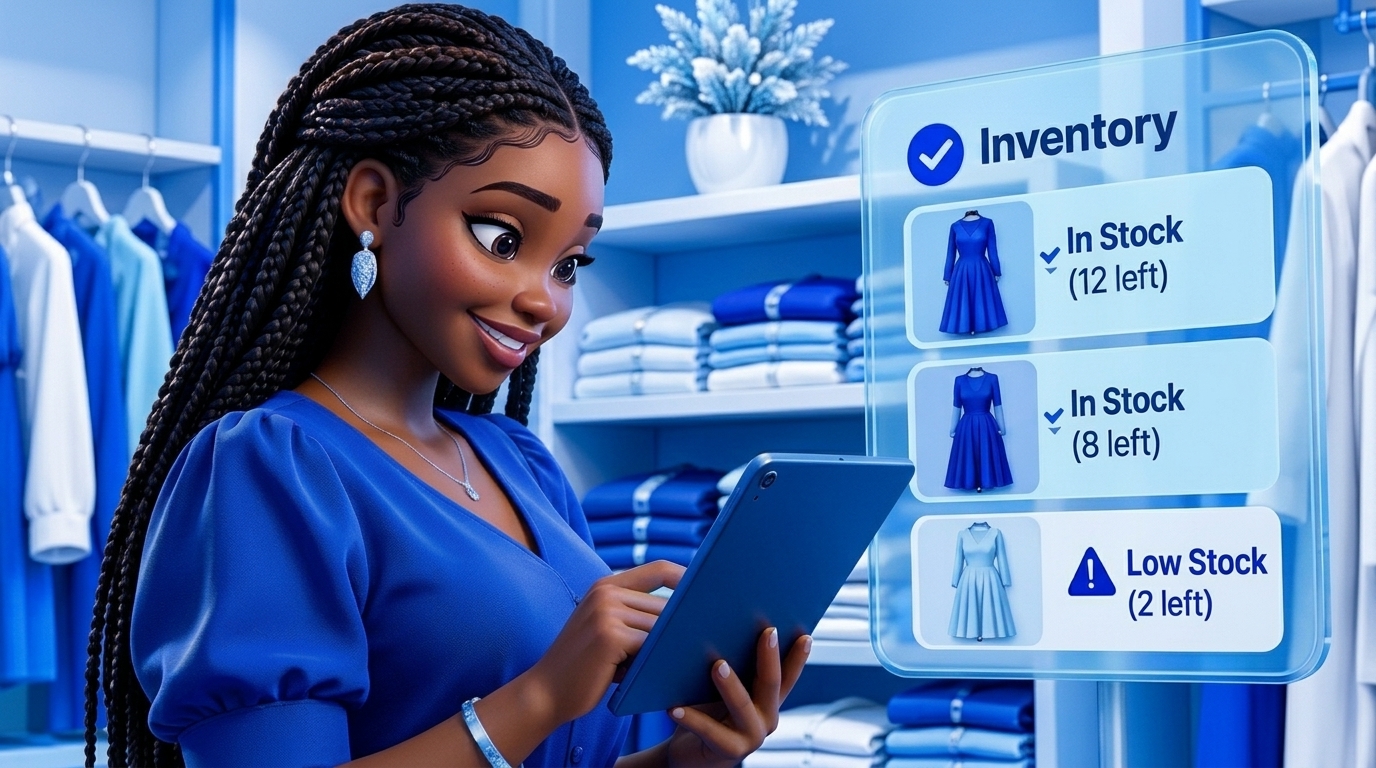
Accurate inventory management helps online sellers track available products, avoid overselling and prepare for restocking.
The lesson: A good selling system must not only help customers place orders; it must also help businesses fulfil those orders correctly.
4. Payment Confirmation and Delivery Should Not Depend on Endless Messages
There is another familiar experience for Nigerian online sellers.
A customer sends a screenshot of a bank transfer.
The seller checks their banking application.
The money is not showing yet.
They ask the customer to wait.
The customer sends another screenshot.
The seller checks again.
This process takes time, and screenshots alone are not reliable proof that money has entered a business account.
A better approach is to use a payment gateway that can automatically confirm successful transactions.
With an integrated payment system, customers can complete payments through supported channels, while the business receives transaction confirmation electronically.
The same principle applies to delivery.
Instead of copying names, phone numbers and addresses from individual conversations into a notebook, sellers can collect delivery information during checkout.
An integrated logistics process can then help generate shipping details and waybills.
These changes reduce unnecessary administrative work and make order fulfilment easier to manage.
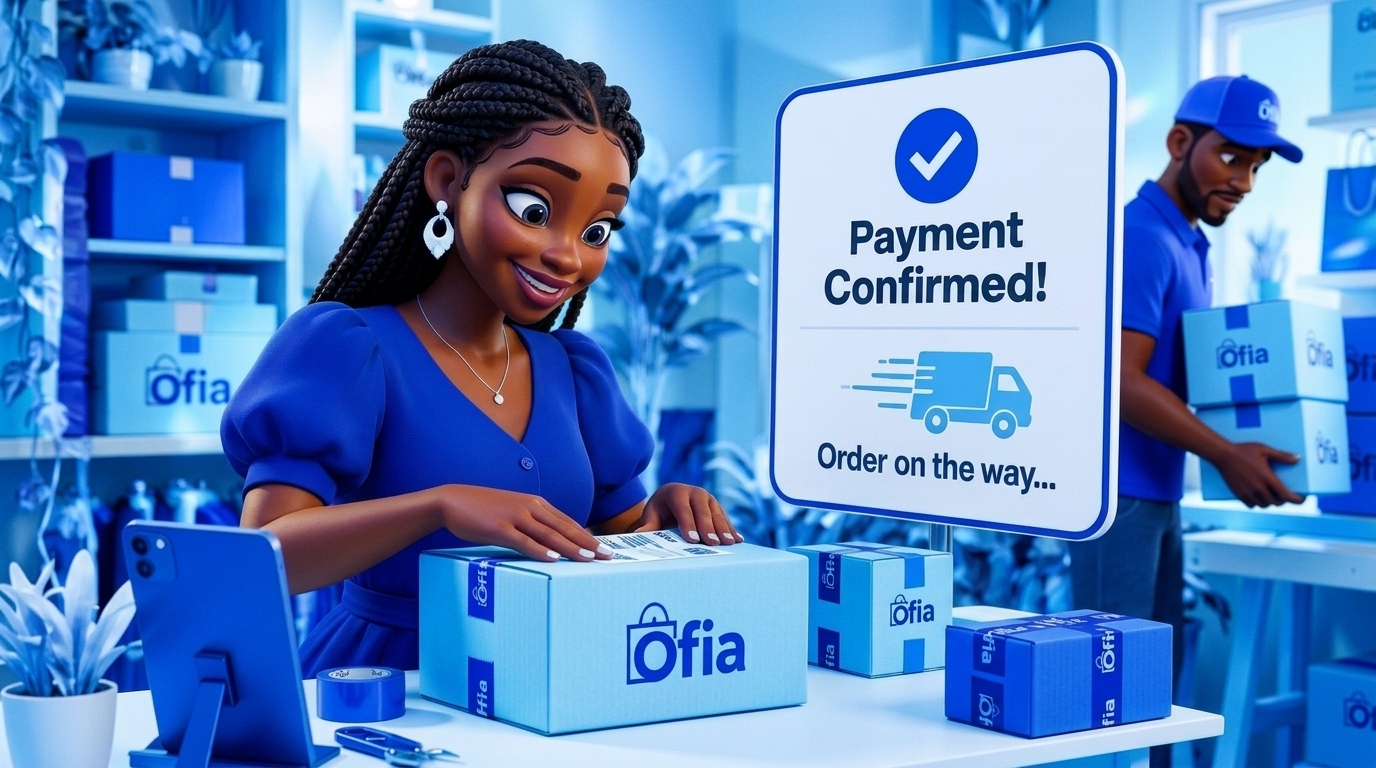
Connecting payment and delivery processes makes order fulfilment easier and reduces unnecessary back-and-forth communication.
The lesson: Payment and delivery should be part of your sales process, not separate manual tasks that begin after every customer sends a message.
So, What Should Chioma Change?
By now, Chioma understands something important.
She doesn't necessarily need to post ten more reels or spend more money attracting customers.
She needs to change what happens after someone discovers her products.
Her business needs a system that connects visibility, product discovery, ordering, payment, inventory and delivery.
This is where an automated digital storefront becomes valuable.
Instead of managing every transaction through Instagram DMs, Chioma can direct customers to a branded online shop where they can browse products, select their preferred options and complete purchases.
Her Instagram page remains important for marketing and customer engagement, but it no longer has to carry the entire weight of running her business.
And that is the difference between simply getting more attention and building a business that can handle growth.
Your Instagram Store Needs More Than Visibility
Getting 100 DMs a day might feel like success, but what happens when you receive 200?
What happens when you are unavailable to respond?
What happens when your most popular product sells out while customers are still placing orders?
If your business cannot function without you manually handling every transaction, you may have reached the point where your current selling process needs an upgrade.
You don't have to abandon Instagram. You simply need to give your customers a better way to buy from you.
Make Your Next Sale Easier with Ofia Shop Manager
With Ofia Shop Manager, businesses can create branded digital storefronts with product catalogues, multiple product variants, inventory management and automated checkout.
Rather than sending every interested customer into a long DM conversation, you can give them a direct path from discovering your product to completing their purchase.
Your Instagram page attracts attention. Your online storefront helps turn that attention into orders.
Your next step is simple:
Review your last ten customer conversations.
How many were spent answering questions about prices, sizes, availability or payment?
Those are the processes your business should start automating.
Stop making every customer wait for a reply. Build a store that is ready to sell even when you are offline.
Ready to Give Your Instagram Business a Better Way to Sell?
Explore Ofia Shop Manager and discover how a dedicated digital storefront can help you manage products, simplify ordering and make selling easier.
Put your products where customers can discover them, and make it easier for them to buy.